
There’s something almost magical about watching a child’s face light up when the first tiny sprout pushes through the soil. In that moment, they’ve witnessed something extraordinary, life emerging from a tiny seed they tucked into the dirt just days before.
Gardening with children is about so much more than growing vegetables or flowers. It’s a hands-on lesson in patience, responsibility, and the beautiful rhythm of nature. And for us as parents, it’s a chance to slow down, get our hands dirty, and see the world again through their wondering eyes.
It builds quiet confidence.

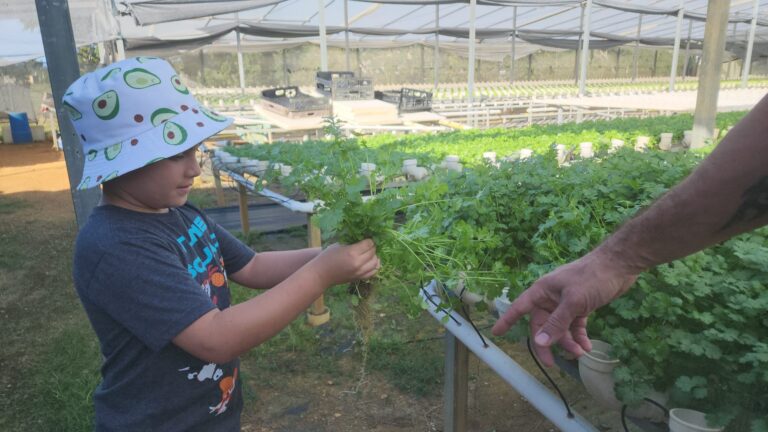
It connects them to where food really comes from.
For young children, food comes from a package or a restaurant. Gardening gently teaches them that carrots grow in the ground, tomatoes climb on vines, and food is a gift from the earth. It plants seeds of healthy eating habits that can last a lifetime.
It’s a gentle lesson in hope.
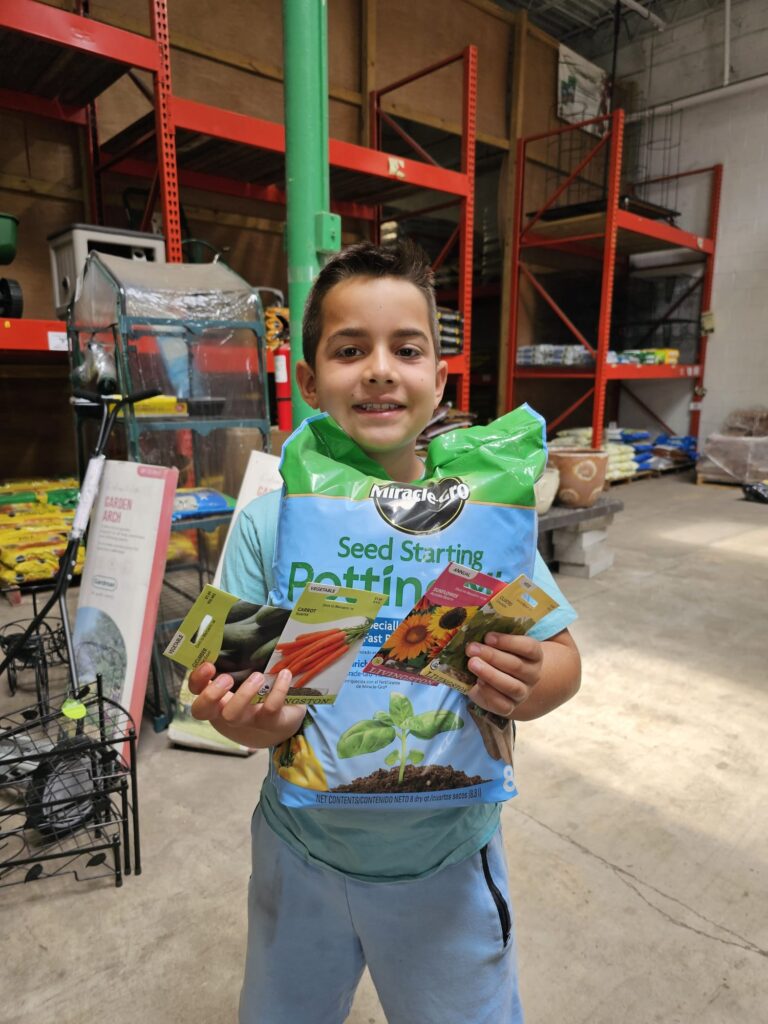
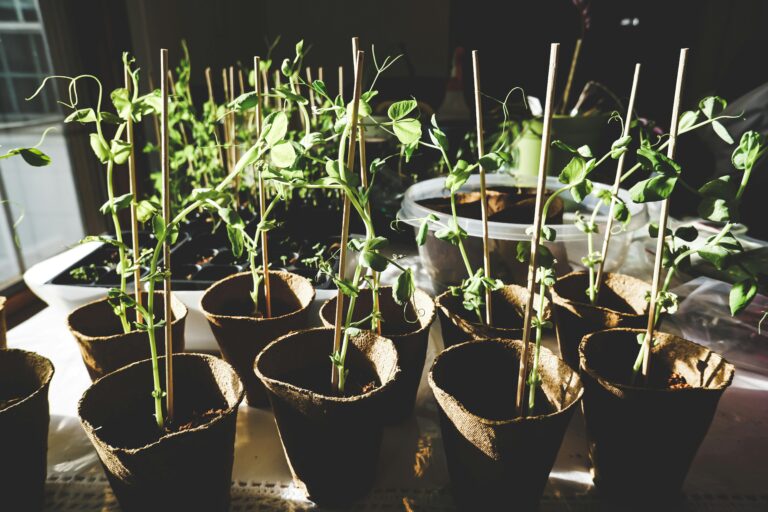
Take a trip to the garden center together and let your child choose one or two things to call their own. Sunflowers, cherry tomatoes, snap peas, and marigolds are all excellent choices for little gardeners. They grow quickly, have bold colors, and feel like a big win for small hands.
Give them their own space.
A small trowel, a tiny watering can, and gloves that actually fit make the work feel real and important. You can find these at most garden centers, and they’re worth the small investment. When kids have tools that work for them, they feel like capable gardeners, not just helpers.
Teach them to listen to the soil.
Show them how to stick a finger in the dirt to check if it’s dry. Let them feel the difference between soil that needs water and soil that’s had enough. These small sensory lessons teach attentiveness and care.
This is pure childhood magic. Plant pole beans in a circle and create a teepee structure for them to climb. By midsummer, your child will have a secret hideaway surrounded by growing beans. It’s a place for quiet reading, daydreaming, or just hiding from the world.
Paint plant markers.
Start a garden journal.
Even pre-readers can draw pictures of how their plants look each week. Older kids can measure growth, record when flowers appear, and note which plants attract butterflies. It turns gardening into a science project and a treasured keepsake.
Have a taste test party.
Some seeds won’t grow, and that’s okay.
Not every seed sprouts. Not every plant thrives. Gardening teaches resilience. When things don’t work out, you talk about what happened, try again, and learn together. It’s a safe place to experience small disappointments and see that you can always plant another seed.
Weeds are part of the story.
Show your child that gardens need care. Weeds show up whether you invite them or not. Teaching kids to gently pull weeds teaches them that good things need protection and attention. It’s work, but it’s meaningful work.
The garden changes with the seasons.
One of the sweetest gifts of gardening with children is the unhurried time it creates. There’s no agenda, no screen, no rush. Just the two of you, kneeling in the dirt, watching for ladybugs and feeling the sun on your backs.
In those quiet moments, seeds are planted in more ways than one. You’re planting a love for nature, a respect for slow growth, and memories of time spent together that will bloom in their hearts for years to come.
And that’s the most beautiful harvest of all.
