
✏️ Creating a Homework Station That Actually Works (For All Ages)
If your home’s current homework routine involves cleared-off crumbs, misplaced pencils, and the constant battle against distractions like YouTube and little siblings… you’re not alone.
A dedicated homework station isn’t about having a perfect, Pinterest-ready house. It’s about creating a consistent, organized, and distraction-free zone that signals to the brain, “It’s time to focus.” And the best part? You can create one in any home, no matter its size.
Let’s build a homework hub that grows with your child, from crayons to calculus.
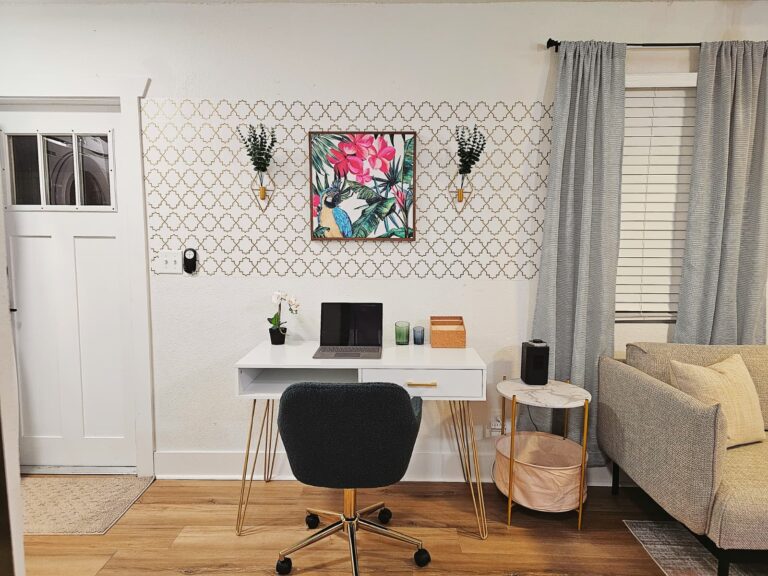
No matter the age or space, every effective homework zone should be:
Dedicated: Even if it’s a mobile cart, it’s used only for work.
Distraction-Lite: Positioned away from high-traffic areas and screens (unless for research).
Empowering: Stocked with all the necessary tools so kids can work independently.
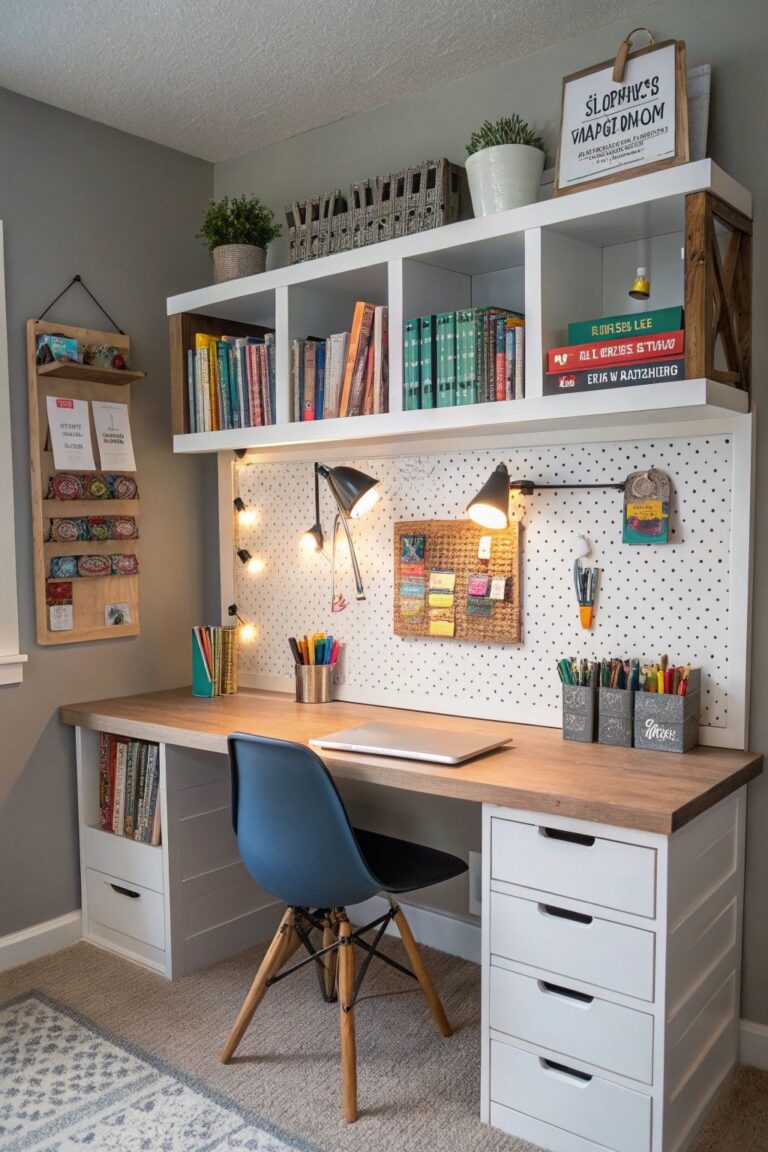
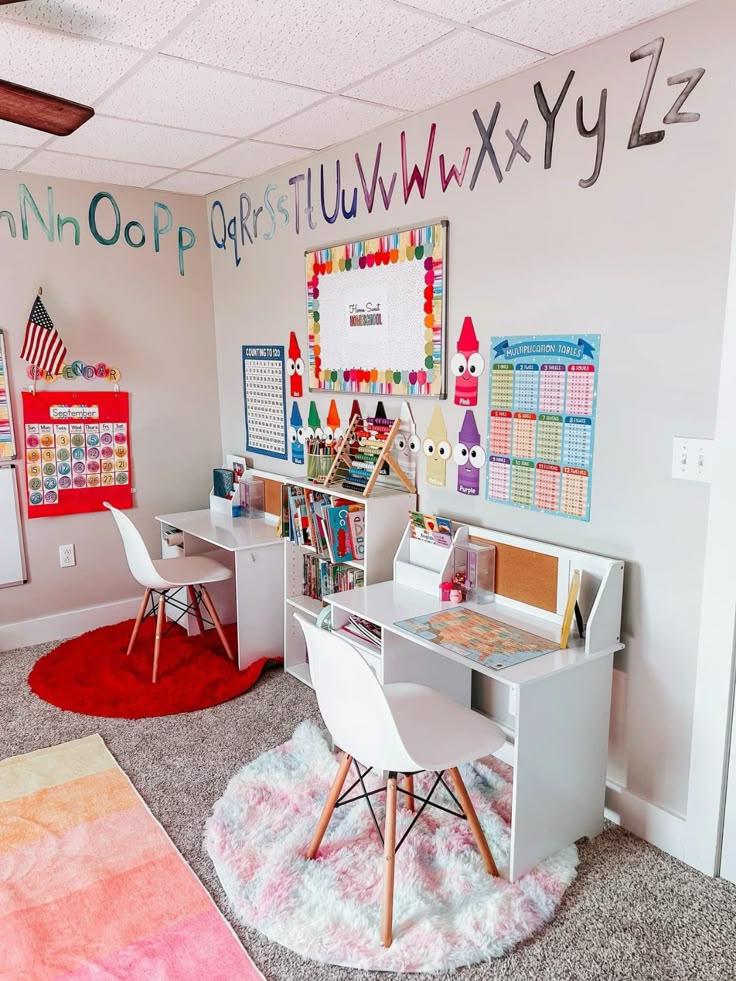
🏠 The Early Learners (Ages 5-9)
Goal: Make homework feel like a fun, special activity.
Space: A low table in a quiet corner of the living room or their bedroom.
Seating: A small, comfortable chair. Wiggle cushions are great for fidgeters!
Lighting: A fun, kid-friendly lamp to define the space.
Supplies:
Crayons, washable markers, safety scissors
Primary writing paper
A simple timer for focused bursts of work (e.g., 15 minutes on, 5 off).
Small-Space Hack: Use a wall-mounted desk that folds up when not in use.
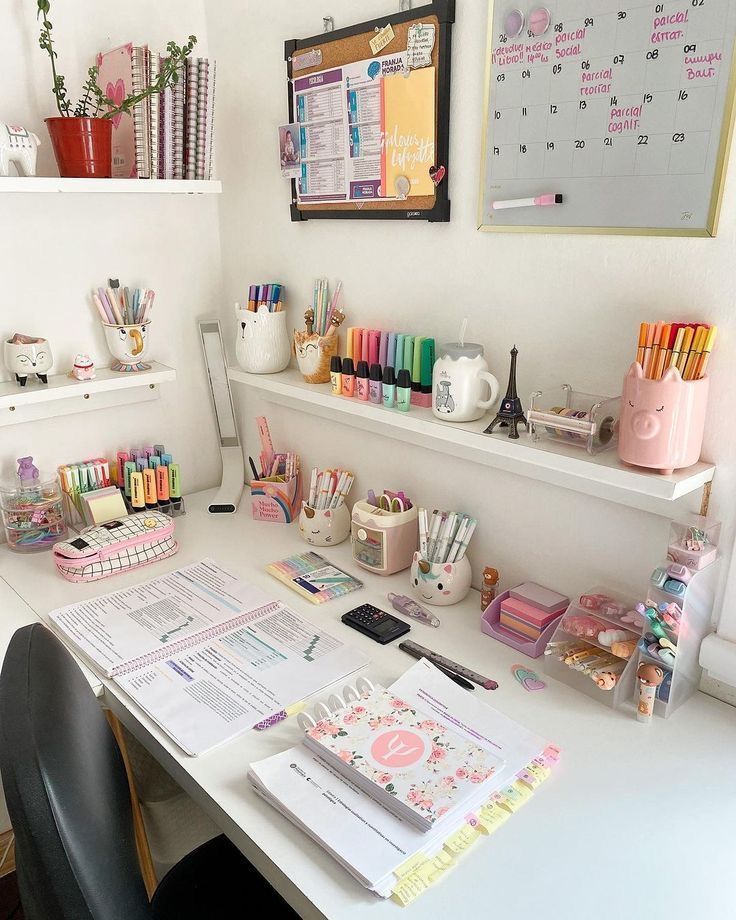
Goal: Foster independence and organization for multiple subjects.
Space: A dedicated desk in their room or a quiet nook.
Organization is Key:
A tiered organizer for papers for each subject.
A whiteboard or giant wall calendar for tracking assignments and deadlines.
Supplies:
Pens, pencils, highlighters, a solid ruler, a solid calculator.
A charging station for their laptop or tablet.
Small-Space Hack: A rolling cart can hold all supplies and be tucked into a closet.
Goal: A professional, minimalist environment for serious focus.
Space: A proper desk with serious task lighting.
Ergonomics: A supportive chair is a non-negotiable investment.
Tech Management:
Cable management trays and clips to avoid cord chaos.
A second monitor can be a game-changer for research papers.
Supplies:
A quality calculator, plenty of notebooks, and a planner.
Small-Space Hack: A desktop organizer with drawers to keep a small surface area clutter-free.
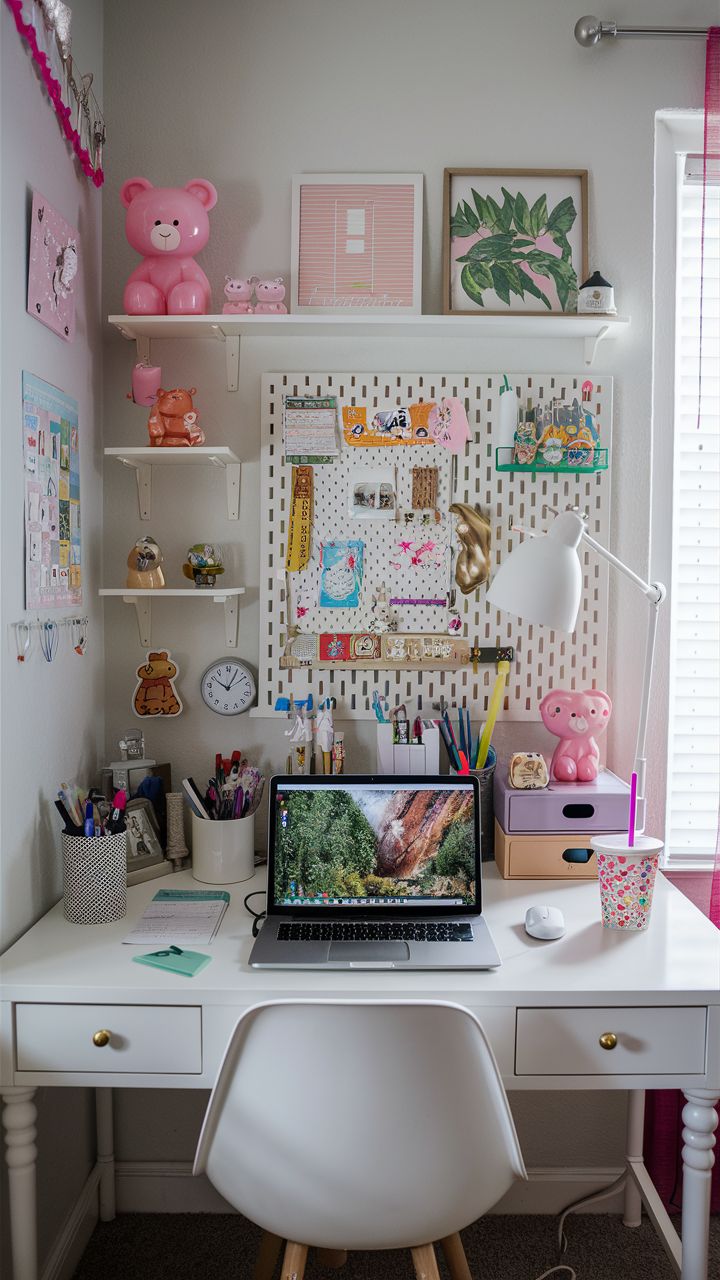
Over-the-Door Organizer: Utilizes unused vertical space to hold supplies, art kits, and notebooks. Perfect for small spaces and keeping everything in sight.
Adjustable Desk Lamp: Provides essential, glare-free task lighting to reduce eye strain during late-night study sessions.
Magnetic Whiteboard: Ideal for brainstorming, working out math problems, or keeping a weekly schedule. Saves paper and keeps the desk clear.
Stackable Letter Trays: The simplest way to sort papers by subject or priority (e.g., “To Do,” “Doing,” “Done”). A must for middle and high schoolers.
Cable Management Box: Hides power strips and a tangle of charger cords, creating a cleaner and safer workspace for tech-dependent students.
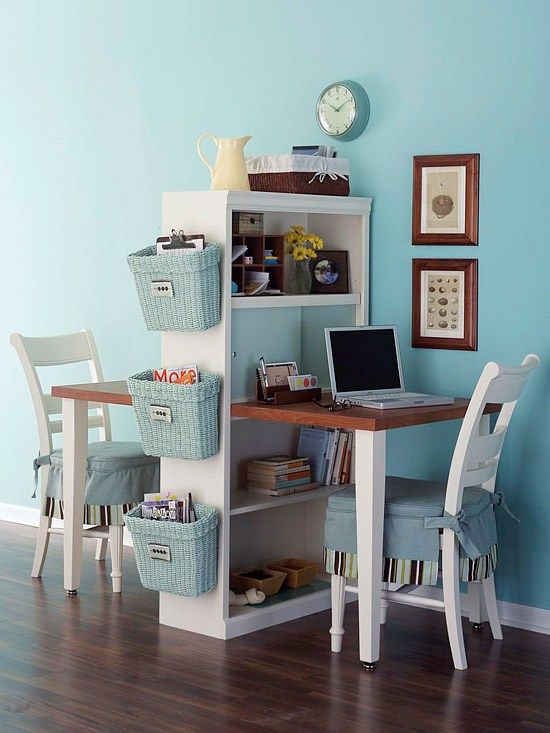
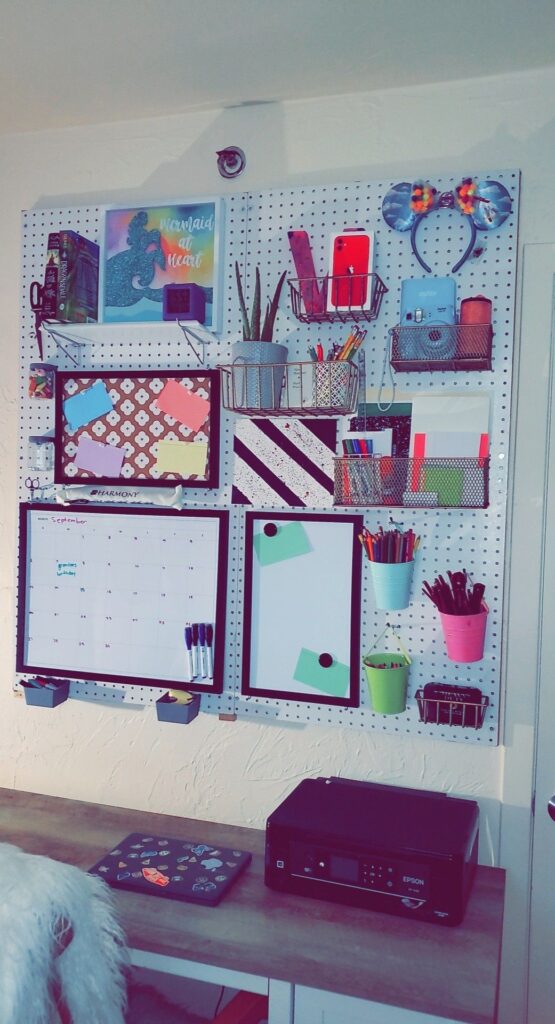
A pegboard is the ultimate customizable organizer. You can paint it any color, and hooks/baskets can be rearranged as needs change.
Get a Pegboard: Available at any hardware store.
Paint it: Use chalkboard paint for a writable surface or a color that matches the room.
Accessorize: Add small buckets for pencils, hooks for scissors, and shelves for books.
Small-Space Solutions: No Desk? No Problem.
If you’re short on square footage, get creative:
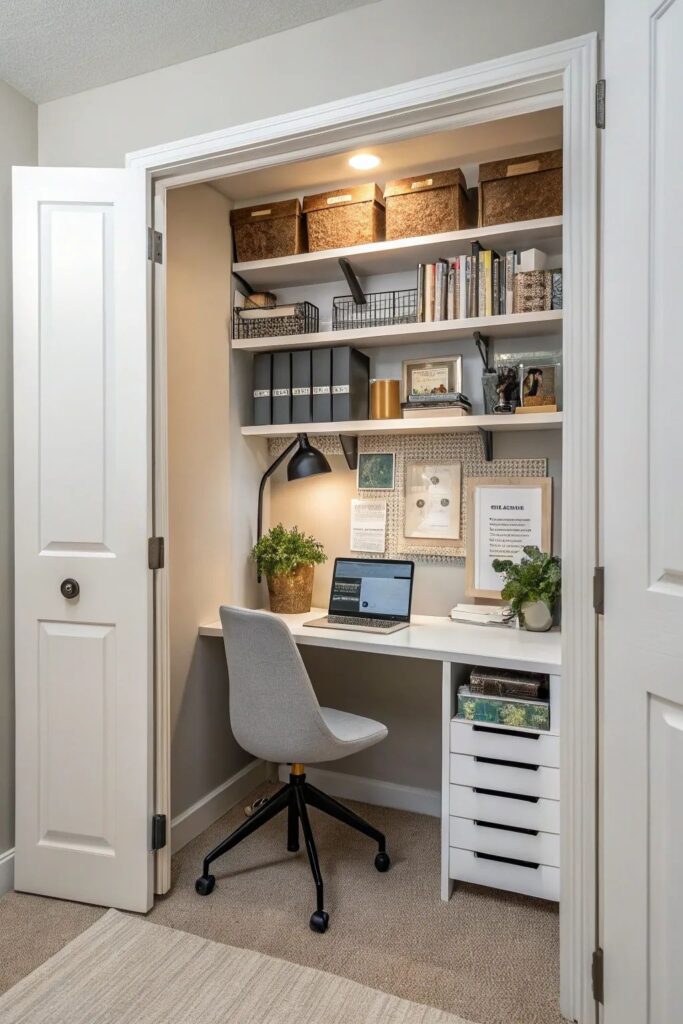
- The Cloffice: Convert a shallow closet by removing the door and installing a desk across the opening. Add shelves above and a curtain for when it’s not in use.
- The Mobile Station: A simple rolling cart can hold everything. It can roll out for homework time and disappear into a closet or corner afterward.
- The Wall Desk: A floating shelf or a fold-down desk provides a surface without consuming floor space.
Setting Up for Success
The station itself is only half the battle. Establish a routine to go with it:
Consistent Time: Homework happens at the same time each day.
The “Launch Pad”: Keep backpacks and completed homework by the door to avoid morning scrambles.
Involved but Not Hovering: Be available for questions, but let the station empower them to try first.
You’ve got this! A little bit of planning now will pay off in smoother, quieter evenings all school year long.
