
So you’ve decided to buy your first home. Congratulations! This is a huge step, and spring is one of the most exciting and competitive times to jump into the market. The flowers are blooming, the days are longer, and buyers are out in full force.
But let’s be honest. Spring homebuying can also feel overwhelming. Multiple offers, fast-moving listings, and big decisions can leave even the most prepared buyer feeling a little dizzy.
This guide is here to help you navigate the season with confidence. Let’s walk through what you need to know, what to expect, and how to come out on top.

Know your credit score.
Your score affects your interest rate and loan options. If your score needs work, a good lender can guide you on simple steps to improve it before you apply.

Make your must-have list.
Before you start touring homes, sit down with your partner or a trusted friend and write down what truly matters. Is it the number of bedrooms? A yard? A short commute? Be honest about what you need versus what you’d like to have.
Think about the future.
This may not be your forever home, and that’s okay. But consider how long you plan to stay. A home that works for a single person might feel different for a growing family. Think about your life five years from now.

In a busy spring market, homes can go under contract within days sometimes hours. That means you need to be ready to tour homes quickly and make decisions. But ready doesn’t mean rushed. If a home doesn’t feel right, it’s okay to wait for the next one.
Make a strong, clean offer.
In multiple-offer situations, a clean offer often wins. That means fewer contingencies and a solid pre-approval. Your agent can help you structure an offer that stands out without overextending your comfort zone.
Don’t skip the inspection.
In a hot market, some buyers waive inspections to make their offer look stronger. This is risky. A home inspection can reveal costly issues you’d otherwise inherit. If you do waive, go in with eyes wide open and a healthy repair budget.
Be ready for some disappointment.
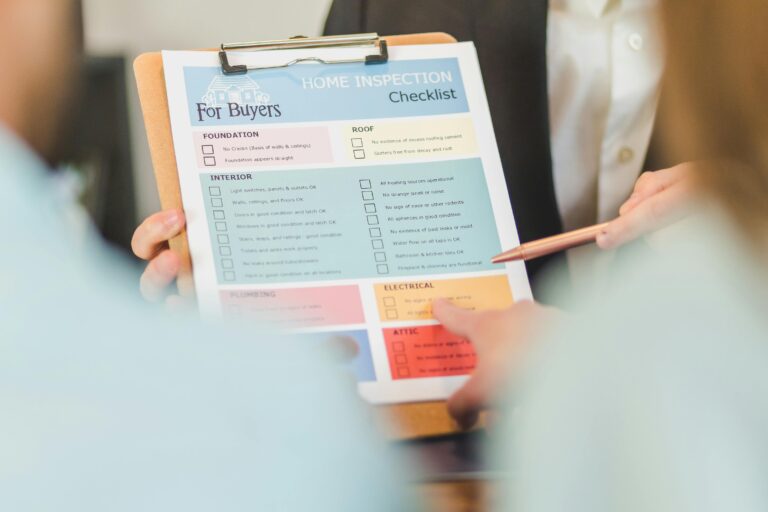
A home inspection might reveal major issues like a failing roof, foundation problems, or outdated electrical. If the seller won’t negotiate on repairs or credits, it might be wise to walk away.
When the price isn’t right.
In a bidding war, it’s easy to get caught up and offer more than you planned. Before you make an offer, decide on your absolute highest number. Stick to it. Overpaying now can affect your finances and your ability to build equity later.
When your gut says no.

As a real estate agent serving Chesapeake and Hampton, I’ve helped many first-time buyers navigate the spring market with confidence. I know the neighborhoods, the local market trends, and how to structure an offer that gets noticed. My goal is to walk beside you through every step, answer your questions, and make sure you feel informed and excited not overwhelmed.
Ask questions.

Buying your first home is a big deal. It’s exciting and a little scary, and that’s completely normal. You’re not supposed to have all the answers. That’s why you have a trusted agent, a good lender, and this guide to lean on.
Spring is a wonderful time to start this journey. The market is alive with possibility, and somewhere out there is a home waiting for you to find it.
Take a deep breath. You’ve got this.
